Sassy Girl Retro SVG: A Designer's Real-World Review
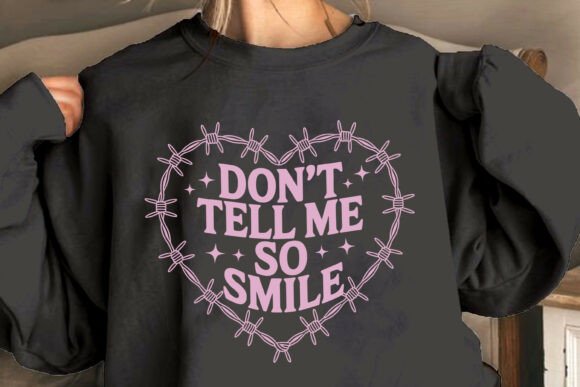
Every designer knows the feeling: opening a new file and instantly seeing where it belongs. The Sassy Girl Retro SVG "Don't Tell Me" design hits you with a specific mood right away. It’s playful, a little cheeky, and wrapped in that unmistakable retro charm. The bold, curvy lettering of “Don’t Tell Me” combined with the stylized “Sassy Girl” graphic creates a personality that’s confident and fun. This isn’t a subtle, delicate piece; it’s a statement. My first thought wasn't about the file format, but about the kind of project it was begging to become.
Where This Design Finds Its Home
In my studio, a design like this immediately gets mentally placed on a few key products. The strong, graphic nature of the Sassy Girl Retro SVG makes it perfect for items where the embroidery needs to stand out and hold its own. Imagine a client requesting a custom tote bag for a friend who loves vintage vibes. This design would be a fantastic choice. The bold outlines and clear shapes would translate beautifully into satin stitches, creating a durable, eye-catching piece on a canvas bag.
It also screams to be on a cozy, heavyweight sweatshirt. The retro theme pairs perfectly with a soft fleece background, creating a modern yet nostalgic apparel piece. For small business owners, this could be a standout item in an Etsy shop focused on unique, personality-driven gifts. I also pictured it as a centerpiece on a playful apron or a decorative pillow cover for a funky, modern home. The design’s inherent “sass” gives it a giftable quality—it feels personal and specific, perfect for a birthday or a just-for-fun present.
Navigating the Stitch: Practical Embroidery Considerations
When evaluating any embroidery file for real project use, the aesthetic appeal is only half the battle. You have to think about how it will perform under the needle. The Sassy Girl Retro SVG design, with its combined text and graphic elements, requires some practical planning.
The level of detail is generally good for embroidery, but those small corners in the lettering and the graphic details need attention. On very small hoop sizes, some of those finer points might get lost or become overly dense, risking puckering. This design will shine better on a medium-sized area, giving the stitches room to articulate the shapes clearly. Fabric choice is crucial here. On thin or stretchy fabrics like a lightweight t-shirt, you’ll need a robust stabilizer to support the stitch density, especially in the fill areas of the graphic. For a textured fabric like a sweater, a topper stabilizer might be necessary to keep the stitches sitting cleanly on the surface.
A key test I always recommend: stitch this out on scrap fabric first, especially if you plan to use it on dark backgrounds. The provided color versions are helpful, but seeing the actual thread colors—how the white or black version pops on different materials—is irreplaceable. Does the “Sassy Girl” graphic retain its clarity when stitched in a single color on a dark denim cap? A test run answers that.
The Business of a Sassy Statement
For crafters and creative entrepreneurs, a design’s visual appeal directly impacts product value and customer engagement. The Sassy Girl Retro SVG design has a built-in audience. It speaks to a love for retro style and a bold, humorous attitude. When embroidered well on a high-quality sweatshirt or tote, it elevates a simple garment into a curated, handmade product. This builds customer trust; they see a cohesive, professional finish that matches the design’s intent.
For brand consistency, if your small shop or craft business leans into vintage or playful themes, this design could become a signature element. It’s recognizable and memorable. In a printable mockup or a digital product preview for your online store, it presents as a strong, ready-to-use design asset. However, its specific personality means it might not fit every project or brand mood. It’s a specialist, not a generalist.
Designer Notes for a Smooth Project
Before committing this design to a client order or a batch of craft fair merchandise, here’s my checklist from the perspective of an embroidery product reviewer.
- Always test on scrap of your intended fabric. Check stitch density and detail clarity.
- Evaluate thread color contrast. The white and black versions are great starts, but consider if a custom color thread might better suit your product’s background.
- Confirm your hoop size can accommodate the design comfortably, allowing details to breathe.
- Inspect small details in the lettering and graphic in your test stitch. Are any corners too tight for a clean satin stitch?
- Use the proper stabilizer for your fabric type—woven, knit, or textured.
- Check the licensing terms. The product description mentions it’s for yourself, friends, family, or special occasions. Before selling finished items or using it in commercial embroidery projects, verify the specifics to ensure your use is covered.
- Consider the end product’s life. If it’s going on a baby item or a kitchen towel that needs frequent washing, ensure your embroidery technique (thread type, stabilizer) is robust enough for durability.
In my real-world scenario, preparing a custom embroidered tote bag as a boutique product, I’d lean into the black version on a natural canvas. The contrast would be sharp and professional. I’d use a medium-weight cutaway stabilizer for durability and stitch it out at a size that makes the “Don’t Tell Me” text legible and playful without overcrowding the bag’s surface. The result would feel cohesive, high-value, and perfectly aligned with the design’s sassy, retro heart.
A Final, Practical Impression
The Sassy Girl Retro SVG “Don’t Tell Me” design is more than a graphic; it’s a blueprint for a specific kind of handmade product. It brings a mood and a ready-made personality to your embroidery project. For the right product—a statement apparel piece, a personalized gift with attitude, or boutique merchandise—it can stitch out beautifully and resonate with customers. Its success hinges on the practical embroidery steps we all know: testing, planning, and matching it to the right fabric and purpose. Approach it with that designer’s eye for detail, and it can become a standout piece in your craft business or creative repertoire.