Hello Pumpkin: A Friendly Design for Embroidered Autumn Charm
As a designer who often evaluates digital files for real embroidery work, my first instinct is to visualize the stitch. When I look at the Hello Pumpkin SVG PNG, I’m immediately thinking about a crisp October morning, a warm mug of coffee, and a simple, cheerful project on my hoop. This design isn't trying to be a complex masterpiece; it’s a welcoming, seasonal greeting.
The Immediate Mood and Practical Personality
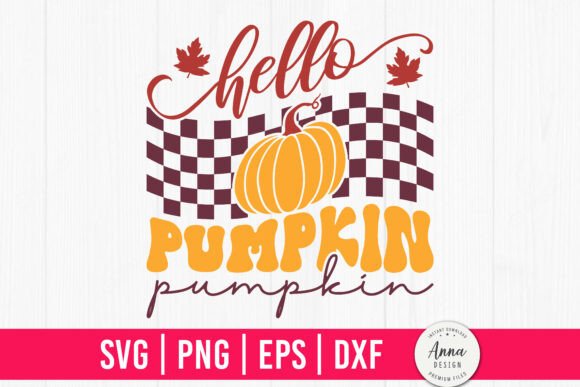
The layout feels balanced and friendly. The “Hello Pumpkin” text, presumably paired with a pumpkin graphic, suggests a casual, upbeat autumn vibe—perfect for harvest season, cozy home decor, or a playful personal gift. The detail level, as I interpret it from the typical SVG format, looks manageable: clean lines and distinct elements that should translate well into satin stitches for text and fill stitches for the pumpkin shape. This isn't a design that would overwhelm a small tea towel or look lost on a large tote bag. It has a versatile personality.
I picture it embroidered on a natural canvas tote bag for a friend. The finished stitch would project warmth and simplicity. In a real-life scenario, like preparing a custom order for a boutique’s fall collection, this design feels like a safe bet. Customers respond to clear, cheerful motifs, especially on seasonal items. It wouldn’t feel overly commercial or generic; instead, it would carry a handmade charm that enhances product value.
Where This Design Excites in Real Projects
Hello Pumpkin SVG PNG naturally belongs to a range of embroidery projects where its theme and likely clean composition shine. For custom apparel, think of a muted heather grey sweatshirt with this design centered on the chest—it becomes a statement without being loud. On a baby’s blanket or a child’s apron, it’s adorable and seasonally appropriate.
For small business owners and Etsy sellers, this design could be a staple for autumn merchandise. Embroidered on pillow covers, kitchen towels, or even as a small patch on a cap, it offers consistent branding for a craft business focused on holidays. Its appeal is broad: it could work as a personalized gift with a name added below, or stand alone as a ready-made product at a craft fair. In digital product previews and printable mockups for other sellers, the clean lines of the SVG/PNG would present well, suggesting a high-quality finished embroidery file.
As a commercial embroidery asset, assuming the licensing permits it, this design’s clarity is key. On a uniform for a pumpkin patch farm stand or a staff apron at a cafe, it would be recognizable and professional. The visual appeal lies in its straightforwardness, which builds customer trust—they see exactly what they’re getting: a well-executed, festive motif.
Spots Where a Designer’s Care Is Needed
While the design looks adaptable, practical embroidery judgment calls for caution in specific applications. If the lettering in “Hello Pumpkin” is particularly fine or the pumpkin has intricate interior details, executing it on very small hoop sizes might compromise clarity. Always test the stitch density on scrap fabric first.
Textured fabrics like thick sweaters or curved surfaces like caps can distort simpler shapes; proper stabilizer choice is non-negotiable here. On dark fabrics, thread color contrast becomes paramount—a bright orange and white would pop, but a muted palette might need testing. For products destined for frequent washing, like baby clothes or kitchen linens, ensuring the stitch coverage is dense enough to withstand wear is crucial. Tiny lettering can fray or lose definition over time.
Also, on stretchy or thin fabric, the design’s integrity depends heavily on the stabilizer and the machine embroidery file’s construction. I recommend checking the actual file for very dense stitch areas that might pucker delicate materials. The decorative accents should be inspected in a black-and-white mockup to see how the layers separate.
Turning a Digital File into a Trustworthy Finished Product
The leap from a digital graphics file to a physical embroidered product is where design judgment matters most. For embroidery designers and apparel decorators using this file, a few practical notes are essential.
- Always test on scrap fabric first. Use the same material you intend for the final product. This reveals how the thread colors interact with the background and whether the stitch density feels right.
- Check hoop size compatibility. The design needs a hoop that accommodates its full layout without forcing compression of elements.
- Inspect small details in your software. Before stitching, zoom in on the embroidery file to see if any corners are too sharp or lines are too thin for clean stitching.
- Compare light and dark fabric backgrounds. Create two simple test stitches to evaluate contrast. A design that looks good on both expands your product range.
- Confirm licensing before selling. The product description mentions it’s a digital file for cutting machines, but for commercial embroidery projects, you must verify the license terms for selling finished items. Don’t assume.
- Consider both personal and commercial projects. A design like this often bridges both worlds. It’s giftable as a personalized item for a friend, and scalable as part of a small shop’s holiday line if the license allows.
Hello Pumpkin SVG PNG, from a Crafts and Graphics category perspective, strikes me as a workhorse autumn design. It doesn’t demand advanced skills, but it rewards careful preparation. In the hands of a maker who takes these practical steps, it becomes more than a file—it becomes a charming, durable, and sellable embroidered product that captures the spirit of the season in every stitch.