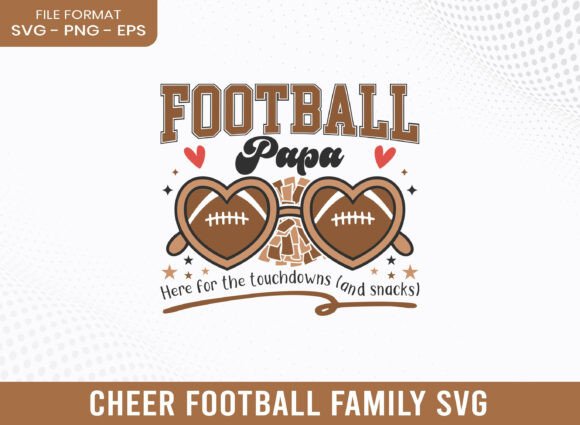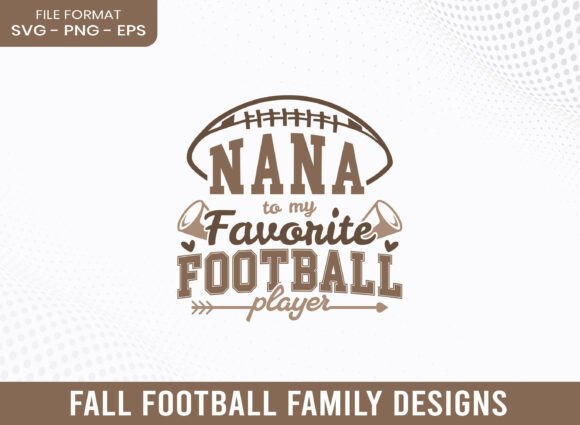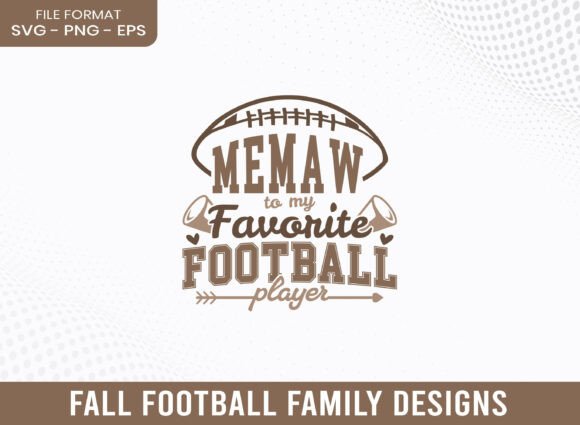
Evaluating Mimi to My Favorite Football Player SVG for Real Projects
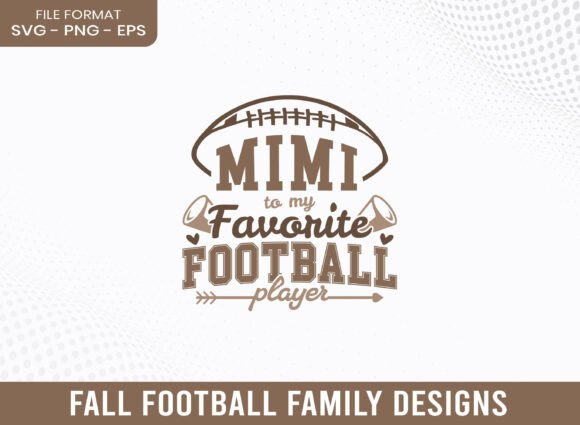
When a new embroidery design lands in my library, I think less about the file itself and more about the finished, stitched product. How will it look when the needle hits the fabric? What kind of project does it naturally belong to? Mimi to My Favorite Football Player SVG arrived with that familiar football season buzz, and my first task was to picture it outside the screen.
The Immediate Mood and Layout: A Cozy, Family-Friendly Statement
The design doesn't shout; it invites. The layout feels balanced and friendly, with a clear, central statement that’s more about heart than hardcore sports. It creates a mood of cozy autumn afternoons, family gatherings, and personal pride rather than generic team allegiance. This is a key distinction. As a designer, I see this as perfect for personalized gifts and family-focused merchandise. The visual personality isn’t overly detailed or aggressive, which means in embroidery, it won’t require an excessive stitch count that could overwhelm thinner fabrics. It feels destined for a soft sweatshirt, a welcoming kitchen towel, or a child’s blanket.
Where This Design Excels in Real-Life Embroidery
In practical use, this design’s strengths become clear. Its vector-based construction suggests clean lines, which translate well to satin stitch borders and crisp fill stitch areas. I immediately imagined it on a washed-cotton tote bag for a craft fair—a product that speaks to a specific, affectionate audience. For small business owners, it’s a versatile asset. It could anchor an Etsy listing for custom embroidered baby onesies, with the playful ‘Mimi’ connection, or become a best-selling element on autumn-themed pillow covers for a home decor boutique.
For apparel decorators, it’s ideal for mid-weight fabrics. I’d confidently stitch this onto a crewneck sweatshirt or a durable apron. The theme lends itself to holiday gifts—think a personalized throw pillow for a football-loving grandparent. As a commercial embroidery file, its straightforward appeal means it stitches reliably and quickly, which is crucial for small shop merchandise and craft fair product turnover.
Scenarios Where You Should Proceed with Care
No design is universally perfect, and a professional review must note where attention is needed. The mention of easy color change for dark or white backgrounds is a great feature, but on dark fabric, you must test thread color contrast thoroughly. Some shades might disappear.
I would avoid very small hoop sizes here. While the shapes are likely resizable, tiny lettering or minute decorative accents could lose clarity if reduced too much, becoming a blur of dense stitches. Similarly, stretchy fabrics like lightweight t-shirts require careful stabilizer choice to prevent distortion of the clean shapes. Embroidering on curved surfaces, like caps, demands a test on scrap fabric first to see how the layout accommodates the curve. Textured fabrics, such as certain blankets, might obscure the design’s clarity, so a simpler fill stitch area is a benefit here.
How This Design Impacts Your Product's Value and Appeal
Using Mimi to My Favorite Football Player SVG well elevates your work. Its family-friendly, specific sentiment boosts giftability immensely. A customer isn’t just buying a generic football graphic; they’re buying a message. This builds customer trust and engagement because it feels personal. For handmade presentation, the clean design results in a polished, professional stitch outcome, reinforcing brand consistency for creative entrepreneurs.
For digital product sellers offering the file itself, its practical layout makes for strong printable mockups, showing potential buyers exactly how it would look as a finished product on a sweatshirt or mug. This visual clarity directly affects buyer engagement in your listings.
Practical Notes from the Embroidery Hoop
Before loading this machine embroidery design, here’s my checklist from years of testing:
- Always test on scrap fabric first. Use the same material and weight as your final project—a canvas tote scrap for a tote, a cotton twill scrap for an apron.
- Check stitch density in your software preview. Does it look appropriate for your chosen fabric? A very dense fill might be tough on thin fabrics.
- Run two mockups: one on a virtual white T-shirt and one on a virtual dark T-shirt. Does the color palette you’ve chosen hold its visual appeal in both?
- Confirm your hoop size. Ensure the design dimensions fit comfortably without forcing you to use a smaller hoop than you’d prefer.
- Inspect small details. Zoom in on any tiny elements in the vector file to ensure they’ll stitch cleanly and not become a tangled mess.
- Use proper stabilizer. This is non-negotiable for maintaining the integrity of those 100 vector shapes on any garment.
- Crucially, confirm the licensing. Before selling any finished items or commercial embroidery projects using this design, verify the terms. The product description mentions it’s for crafts and graphics, but clarity on commercial use is essential.
Ultimately, Mimi to My Favorite Football Player SVG feels like a reliable, heartwarming design asset. It’s not the most complex file in your library, but its strength is its targeted appeal and embroidery-friendly structure. It asks for practical preparation, not guesswork. When stitched onto a soft autumn sweatshirt or a personalized gift bag, it will tell its story clearly and warmly, exactly as a well-judged embroidery project should.