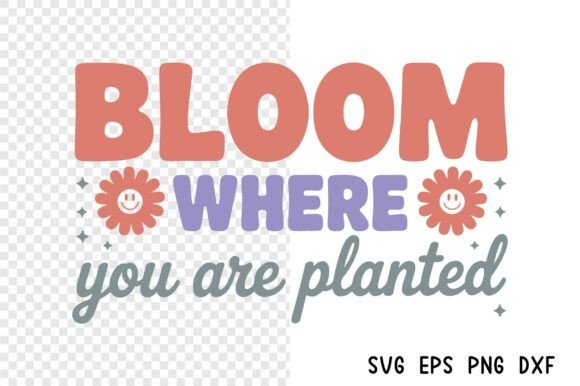
A Retro Mental Health Design Asset for Craft and Graphics Projects
First Impressions: Vintage Warmth with Modern Relevance
Opening this set of files, the immediate feeling is one of comforting nostalgia. The retro mental health svg design strikes a delicate balance—it carries the soft, illustrative warmth of vintage posters or old psychology texts, yet the subject matter is profoundly contemporary. This isn't a harsh, clinical graphic; it’s an invitation. The style leans into a mid-century aesthetic, with gentle line work and a composition that feels hand-drawn rather than digitally sterile. For a client project centered on wellness, mindfulness, self-care, or community support, this asset provides an instant visual tone. It would naturally fit a boutique candle line promoting relaxation, a local yoga studio’s event, an Etsy shop selling affirmation cards, or a small non-profit’s awareness campaign.
Putting It Into Real Client Work: From Mockups to Merchandise
In practical application, this graphic design asset shows its versatility. I placed it across several real-world scenarios. For logo design or brand identity, it could serve as a powerful central icon for a holistic brand, perhaps paired with a clean, modern sans-serif font for balance. In product labels and packaging design, especially for handmade goods like herbal teas or mindfulness journals, it adds an immediate layer of crafted personality. As a poster or flyer for a community workshop, its emotional appeal engages quickly. For merchandise—t-shirt design, mugs, tote bags—the scalable vector files ensure crisp detail, whether for sublimation design or vinyl cuts.
When applied to digital spaces, the included PNG files are invaluable. As a website graphic or hero image on a landing page for a wellness service, it sets a welcoming mood. For blog visuals or editorial design about mental health topics, it provides a thematic anchor without being overly decorative. In social media graphics—Instagram posts, Pinterest pins, or digital ads—it becomes a recognizable visual cue for a campaign. I even dropped it into a Canva template for a client’s email newsletter; it integrated seamlessly as a supporting brand element, elevating the overall polish.
Where This Retro Design Excels: Large Formats and Decorative Accents
The retro mental health svg design truly shines in larger layout areas. As a hero graphic on a website or a full-page poster, the details and vintage mood are fully appreciable. It works beautifully in product mockups, especially for printable designs like wall art or stationery, where the high-resolution files guarantee print quality. It’s excellent as a decorative accent on packaging details, say on the lid of a box or the corner of a booklet. For themed collections—like a series of wellness printables—this asset could be the consistent visual thread across different items. In campaign visuals for a seasonal launch, say a “Spring Renewal” series, it provides the core creative design element.
Considerations for Use: Scale, Context, and Contrast
As with any stylized asset, there are places to use it carefully. At very small sizes, such as a tiny favicon or a small badge on a crowded layout, some finer line details may become lost or muddy. On complex backgrounds with competing patterns, the design’s integrity can weaken. For projects demanding a very clean, minimalist visual hierarchy—like a corporate annual report—this style might feel too illustrative. Its success hinges on contrast. On a light background, it reads clearly; on a dark one, you must ensure the PNG transparency or inverted SVG color provides enough legibility. It wouldn’t naturally suit a brand requiring ultra-sleek, modern design aesthetics.
The Impact on Brand Perception and Audience Engagement
Using this retro mental health design asset strategically affects the entire project’s perception. It builds visual trust through its handmade, caring aesthetic, which can be crucial for small business branding in the wellness space. It enhances emotional appeal, immediately connecting with audiences seeking authenticity over cold professionalism. For audience engagement on social media or in print, its unique style aids recognition, making a campaign or product line visually memorable. However, brand consistency is key. If the rest of the brand’s materials use sharp, geometric graphics, this asset could feel disjointed. It should complement a brand voice that is supportive, personal, and perhaps a bit nostalgic.
Practical Designer Checks Before Commercial Use
Before committing this to a client project, I run a standard battery of tests. First, viewing it in black and white confirms the core shapes hold up without color dependency. Checking contrast on both light and dark backgrounds—using the PNG files—is essential for web design or packaging with varied color schemes. Previewing it at both small (like a sticker design) and large (like a banner) sizes reveals any scalability issues; the SVG and EPS files here performed well. Placing it on real mockups—a t-shirt, a mug, a book cover—gives the client a tangible sense of its application.
I always inspect the file formats. Having SVG, PNG, DXF, and EPS files means flexibility for Cricut projects, print-on-demand, and professional commercial design software. The SVG editability allows for color changes to match a client’s palette, a critical step for brand identity work. I compare it with different font styles: paired with a serif font, it leans academic; with a clean sans-serif, it feels more modern; with a script font, it becomes entirely whimsical. This testing informs the final composition. Finally, and most importantly, I confirm the commercial licensing. For use in a client’s marketing visuals, product lines, or digital sales, clear commercial license terms are non-negotiable. This asset, as a digital product intended for craft and graphics projects, appears geared toward such use, but verifying this is the designer’s responsibility.
Final Judgment: A Specialized Asset for Meaningful Projects
The retro mental health svg design isn’t a generic clipart. It’s a specialized illustration with a specific mood and purpose. For a designer working on a project that requires warmth, approachability, and a touch of vintage charm in the mental health or wellness niche, it’s a highly useful creative asset. It saves considerable illustration time and provides a cohesive starting point for a whole suite of materials—from social media graphics to printable wall art. Its value lies in its ability to make a client’s visual concept feel instantly more polished and emotionally resonant. For the right project, it’s not just a graphic; it’s the visual heartbeat of the brand’s message.