A Practical Review of the 100 Days of Third Grade Embroidery Design
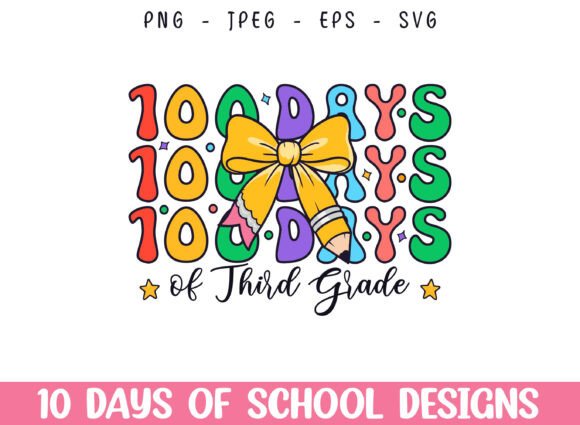
When you’re evaluating an embroidery file for real-world projects, you’re not just looking at a pretty picture. You’re thinking about how it will stitch out, how it will feel on fabric, and ultimately, how it will connect with a customer. That’s the lens I’m using today as I consider the 100 Days of Third Grade Kindergarten SVG. This design promises to capture those early school vibes, and I want to break down where it shines and where a designer needs to pay attention.
The Immediate Mood: Nostalgia Made Simple
My first impression of this design is that it’s cheerfully straightforward. The “100 Days” theme is inherently nostalgic and celebratory, aimed squarely at parents, grandparents, and teachers. It doesn’t try to be overly complex. The layout feels balanced, with the central message supported by playful, school-related elements. This isn’t a dramatic piece; it’s a warm, recognizable badge of a milestone. That visual personality means it belongs naturally on gifts and keepsakes—think commemorative pillows, personalized baby blankets that become toddler blankets, or a special tote bag for a kindergarten teacher.
Where This Design Performs Best in Real Projects
Let’s walk through a real scenario. A client requests a custom embroidered sweatshirt for their child who just hit the 100-day mark. The 100 Days of Third Grade Kindergarten SVG is a perfect thematic fit. Its style suggests it would work well as a central motif on a front chest or sleeve. On a heavyweight sweatshirt fabric, the design’s elements would stand out with good stitch definition.
Beyond that single project, its application is broad. It’s ideal for personalized gifts: tea towels for a teacher, aprons for a classroom helper, or pillow covers for a child’s room. For a craft business or Etsy seller, this file could be the core of a whole product line—appliquéd on baby rompers, stitched onto canvas for nursery decor, or transformed into a standalone patch for a backpack. The description mentions easy color change for dark or white backgrounds, which is a huge practical advantage for custom apparel decorators who need to adapt quickly for different orders.
Commercial Use and Digital Product Potential
For the digital product seller, this design, as part of the Graphics category, serves as a ready-made design asset. It can be used in printable mockups to sell the idea of a finished product, or licensed as part of a bundle for other makers. Its clear, celebratory theme makes it easy for customers to visualize on a finished product, boosting buyer engagement in listings.
Caution Zones: Where to Tread Carefully
No design is universally perfect. The success of this embroidery file depends on mindful application. Any design with potentially small lettering or detailed corners, like this one, demands careful hoop size selection. Stitching it too small on a cap or a baby item’s curved surface could lose clarity. Stitch density is a key consideration; if areas are too dense, they might be stiff on thin fabric or a lightweight tote bag.
Textured fabrics like terry cloth or stretchy fabric like jersey require extra stabilizer and possibly a re-think of detail size to maintain integrity. The promise of easy color change for dark fabrics is great, but it means you must be diligent with thread color contrast. A light thread on a dark tee needs clean, crisp edges, so testing on scrap is non-negotiable.
The Impact on Your Craft Business and Customer Trust
Using a design like this effectively directly affects your product’s value. A clean, well-executed stitch-out of a recognizable milestone design enhances handmade presentation and feels professional. It tells a customer you understood the sentimental need. For a small shop product, consistency in applying this design across different items—say, on both a kitchen towel and a baby embroidery outfit—builds brand consistency.
The giftability is high. It’s a design that evokes an immediate, positive reaction. That recognition translates to trust; the buyer trusts that the finished embroidered patch or sweatshirt will deliver the intended emotion. This is crucial for holiday embroidery gifts or wedding gifts for new teachers.
A Designer’s On-Hoop Checklist
Before you load this file for a commercial embroidery project, here’s my practical workflow advice:
- Test on scrap fabric first. Use both a light and dark scrap to truly check the color change promise.
- Review the stitch density in your software preview. Look for any overly dense fill stitch areas that might puck.
- Confirm your hoop size is adequate to keep all details, especially any tiny lettering, clear and unbroken.
- Inspect small details like decorative accents. Will a satin stitch hold its shape, or might a running stitch be better?
- Always use proper stabilizer suited to your final fabric texture.
- Crucially, check the licensing terms provided with the file. Confirm it permits use for both personal and the craft business or commercial projects you intend.
Final Judgment: A Versatile Asset for Sentimental Projects
The 100 Days of Third Grade Kindergarten SVG stands out as a straightforward, mood-capturing design. Its strength is in its thematic clarity and suggested versatility. It’s not an overly technical file demanding extreme skill; it’s an accessible design that, when applied with the practical precautions above, will result in a high-quality, emotionally resonant finished product. For the designer, crafter, or seller looking to tap into the world of school milestones and nostalgic gifts, this is a solid embroidery design asset worth putting through a rigorous, real-world test.
Remember, the product description gives you the starting points—like color adaptability. Your job as the maker is to take that and validate it on your machine, with your threads, and on your fabrics. That’s how a digital Crafts graphic becomes a beloved, tangible heirloom.