A Designer's Review of the Football Mom Mug Wrap Design
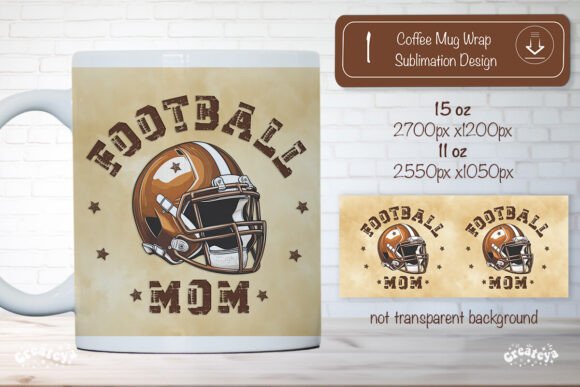
As someone who both designs and stitches for clients, I approach every new embroidery file with a very practical eye. It’s not about whether the graphic looks good on screen; it’s about whether it will translate beautifully into thread and fabric, and ultimately, into a product that feels special. When I first opened the Football Mom Mug Wrap Sublimation Design, my immediate thought wasn't about mugs—it was about the energy it could bring to embroidered gifts.
The First Impression: More Than Just a Mug Design
The design has that classic, spirited football aesthetic—bold, celebratory, and full of team pride. While it’s described as a mug wrap, the layout and elements feel incredibly adaptable. The composition is graphic and clear, which is a huge plus for embroidery. You’re not looking at a photograph with subtle gradients; you’re looking at defined shapes and typography that can be broken down into clean stitches. This visual personality screams custom apparel and personalized gifts for the football community.
I instantly pictured it on a cozy, washed-cotton sweatshirt for a proud parent, or as a standout feature on a canvas tote bag meant for game day. The theme is universal enough for fans, coaches, and players, but the "Mom" angle gives it a specific, heartfelt niche. This isn’t just a generic sports logo; it has a giftable warmth to it.
Where This Design Thrives in Real Projects
Let’s walk through a real scenario. A client requests a custom embroidered tote bag as a gift for a friend whose son is the star quarterback. They want it to feel handmade and premium, not like a mass-produced promo item. This is where a design like the Football Mom Mug Wrap proves its value.
On a sturdy tote, the bold graphic elements would translate beautifully with a combination of satin stitch for the lettering and fill stitches for the larger shapes. The clarity of the design means the stitching will be readable and impactful from a distance—perfect for a craft fair product or an Etsy listing photo. I’d also consider it for a baby’s jersey or a nursery pillow cover for that football-loving family, making it a versatile digital embroidery file for a craft business.
- Sweatshirts & Hoodies: The design’s size and energy are perfect for a central chest or back placement on a fleece sweatshirt.
- Tote Bags & Aprons: The graphic nature holds up well on utilitarian fabrics, adding a personalized touch to everyday items.
- Pillow Covers & Home Decor: It can anchor a sports-themed room with a handmade, custom feel.
- Celebratory Patches: It could be stitched as a standalone embroidered patch to apply to caps or jackets.
Considerations for Stitching Success
No design is perfect for every single application, and a thoughtful embroiderer knows where to proceed with caution. The success of this embroidery project hinges on treating it as a graphic, not a photograph.
On dark fabric, you’d need to plan your thread colors carefully to ensure contrast—a white or light grey base for the main elements would be essential. Because it likely features defined corners and potentially smaller lettering in the "Mom" typography, stitch density and hoop size matter. You wouldn’t want to run this on a very small hoop where those details might get lost or become overly dense.
Textured fabrics like some blankets or stretchy fabric like t-shirts require the right stabilizer to keep those clean shapes sharp. And on curved surfaces like caps, you’d need to check how the layout adapts to the curve in a machine embroidery design software preview before stitching.
Practical Designer Notes Before You Hoop
My standard process, which I’d apply here, involves a few key steps:
- Always test the design on scrap fabric first, using the same material you intend for the final product.
- Check thread color contrast by reviewing the design in a simple black and white mockup; this tells you if the forms hold up without color.
- Inspect small details in your software. Zoom in on any fine lines or tiny text to ensure they’ll stitch out cleanly.
- Compare light and dark fabric backgrounds digitally to plan your thread palette for different applications.
- Most importantly, confirm licensing before selling finished items. Since this is a digital product, understand if it’s for personal use, commercial embroidery, or both.
The Impact on Your Finished Product and Business
Using a well-composed design like this affects more than just the stitch-out. It elevates the perceived value of your handmade product. A clean, recognizable embroidery design conveys professionalism and builds customer trust. For a small shop product, it helps with brand consistency if you offer a line of sports-themed gifts.
The giftability is high. It’s specific enough to feel personal, yet broad enough to appeal to a wide audience within the football world. This recognition factor is key for buyer engagement in your online shop or at a market. People see it and immediately understand the sentiment, which makes the sale easier.
For digital product sellers, this design serves as a strong design asset for creating printable mockups to showcase your embroidery skills. You could stitch it out, photograph it beautifully on a tote bag or pillow, and use that image to market your services.
A Versatile File for the Creative Entrepreneur
In closing, the Football Mom Mug Wrap Sublimation Design, from a Crafts and Graphics perspective, is far more versatile than its name implies. It’s a confident, graphic design that translates well into the language of embroidery. It’s suited for a range of finished products that celebrate team spirit, from baby embroidery on a onesie to holiday embroidery on a gift towel. Its success will come from the embroiderer’s skill in pairing it with the right fabric, thread, and stabilizer—and from always doing that crucial test stitch first. Approach it with that practical mindset, and it can become a reliable, appealing part of your creative repertoire.